A cradle of biodiversity.
Wetlands are a cradle of biodiversity.
Just as coral reefs are the nurseries of the oceans, wetlands are a vital biological environment for countless species. Wetlands are nature’s own meeting place. These unique biological systems act as bridges connecting different life forms and habitats.
They sustain the fabric of life.
Although wetlands cover only around 6% of the Earth’s land surface, they are home to as much as 40% of the world’s plant and animal species.
These ecosystems are superheroes of biodiversity, providing a home and shelter for more than 100,000 known freshwater species, millions of migratory birds, fish, amphibians, reptiles and mammals – many of which are listed as endangered or critically endangered.
Wetlands are nature’s superheroes
Wetlands are key to limiting the effects of climate change. Wetlands are incredible carbon sinks.
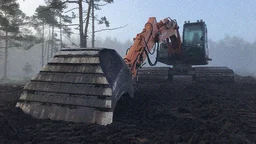
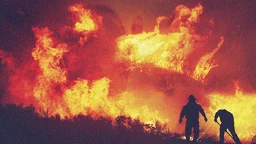
Dried-out wetlands, on the other hand, can become major emitters and threaten life on Earth by driving global warming.
Most of the world’s soil carbon is found in wetlands, but these valuable habitats are declining at an alarming rate. Over a third of wetlands have disappeared since 1970. The vital services that healthy wetlands provide, such as mitigating climate change, far outweigh those provided by terrestrial ecosystems.
We ignore the loss of wetlands at our own peril.
Nature’s own solution to the climate crisis
Wetlands are nature’s own solution to the climate crisis. They capture and store more atmospheric carbon than any other ecosystem on Earth. Peatlands, a type of wetland, cover only 3% of the planet’s land surface but store around 30% of land-based carbon.
Wetlands protect us from the effects of climate change. Mangrove forests and other coastal wetlands protect coastlines against storm surges and rising sea levels. Peatlands act like sponges, regulating water flow and reducing the effects of both droughts and floods.
Wetlands account for almost all of our fresh water. Wetlands are so central to the water cycle that a world without wetlands would be a world without fresh water.